Green IT: Reducing the Carbon Footprint in Technology
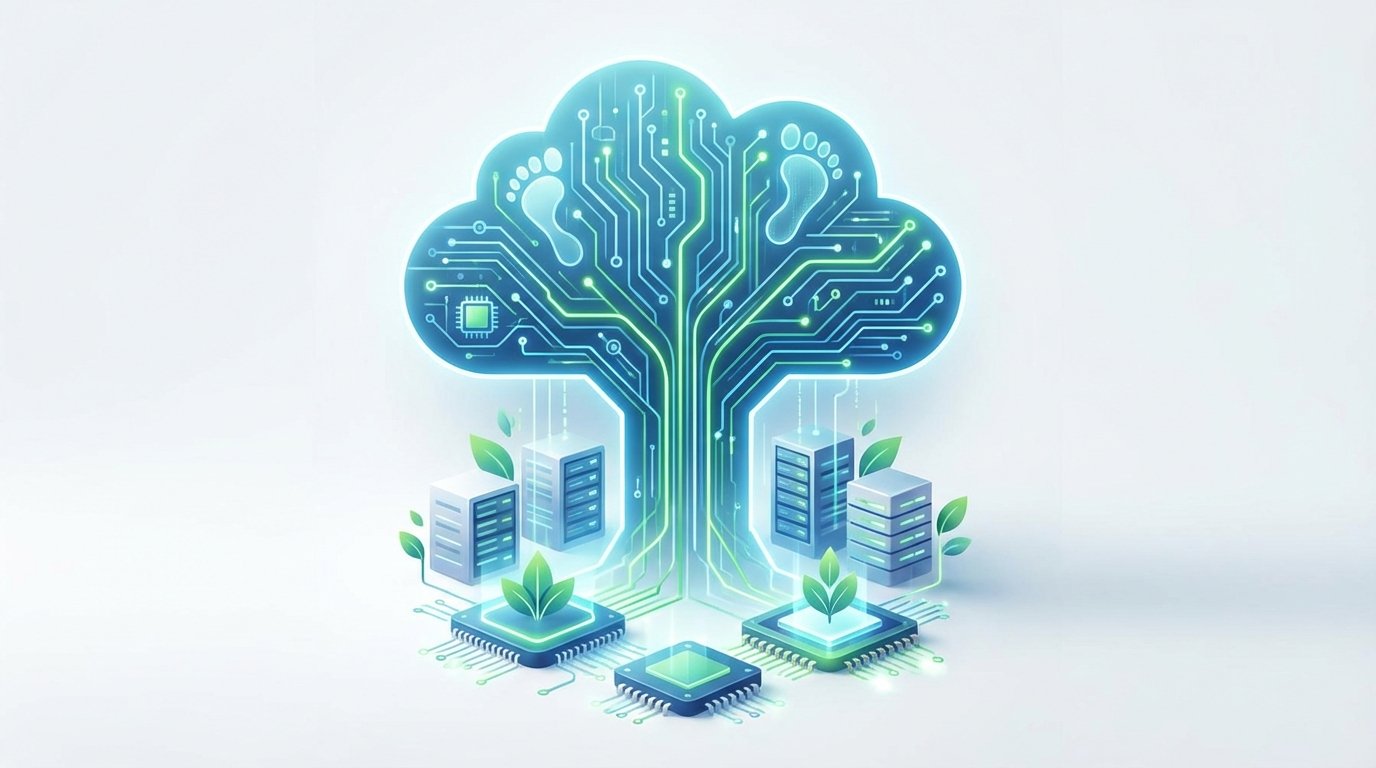
Hello technology enthusiasts! Today, we're going to talk about the invisible world behind our screens—the impact of our digital lives on our planet. Have you ever thought that the emails we send while sipping our morning coffee, the high-definition videos we watch, or the photos we upload to the cloud come with a cost? No, I'm not talking about the internet bill; I'm talking about the carbon bill we present to our planet.
While technology makes our lives easier, it also accounts for a massive share of energy consumption. This is exactly where green computing (Green IT) comes into play. Let's dive together into this exciting world where technology reconciles with nature and take a close look at what is being done for a sustainable future.
What is Green IT and Why is it Important?
In its simplest terms, green IT is an approach that aims to minimize the negative environmental impacts of information and communication technologies. However, this isn't just about turning off computers; it covers a wide spectrum ranging from hardware production to software coding, from the management of data centers to the recycling of electronic waste.
As the climate crisis knocks on our door today, sustainable technology is no longer a luxury but a necessity. The IT sector is responsible for approximately 2% to 4% of global carbon emissions. This rate is almost the same as the aviation sector! Therefore, we must not only consume technology but also produce and use it in a 'green' way.
Revolution in Data Centers: Energy Efficiency
The heart of the internet beats in data centers. However, a tremendous amount of energy is needed to keep this heart beating. Aside from running the servers, the real bulk of energy is spent preventing these servers from overheating. This is where energy efficiency focused innovations take the stage.
Data Center Cooling Technologies
Traditional air conditioners are becoming a thing of the past. Tech giants are pushing the boundaries of data center cooling. For example:
- Liquid Cooling: By immersing servers in a special, non-conductive liquid, heat is taken directly from the source. This method is much more efficient than air cooling.
- Free Cooling: Using the cold outside air by establishing data centers in cold climates like Iceland or Scandinavian countries.
- Undersea Data Centers: Like Microsoft's Project Natick trial, placing servers on the ocean floor to benefit from the natural cooling power of seawater.
These methods can reduce energy consumption by up to 40%. This means both lower costs and reduced carbon emissions.
E-Waste Management: The Dark Side of Technology
Every year a new phone model is released, and the previous ones go into the depths of drawers or, unfortunately, into the trash. Electronic waste poses a toxic threat to the environment due to substances like lead, mercury, and cadmium. E-waste management is one of the most critical pillars of green IT.
The circular economy model comes into play here. Now the goal should not just be 'use and discard' but 'use, repair, reuse, and recycle.' The development of recycling robots by giants like Apple and Samsung or the collection of old devices through trade-in programs is part of this effort. However, the real innovation lies in designing devices that are longer-lasting and repairable.
The Power of Software: Virtualization and Cloud Computing
If you think green IT is only about hardware, you are mistaken. The software world is also a big part of this transformation. Thanks to virtualization technologies, multiple virtual machines can be run on a single physical server. What does this mean?
While previously a separate physical server was required for every task, now dozens of tasks can be done with a single powerful server. This means less hardware, less energy consumption, and less cooling need. Companies switching to cloud computing are shrinking their carbon footprints by closing their own inefficient server rooms and using massive data centers optimized for energy efficiency.
Corporate Social Responsibility and Green Strategies
For companies, green IT is no longer just a PR stunt, but a financial and ethical necessity. Investors and consumers expect transparency from brands. Within the scope of corporate social responsibility projects, many firms are setting 'Net Zero Carbon' goals.
These strategies include:
- Investing in renewable energy sources (solar, wind).
- Auditing carbon emissions in the supply chain.
- Transitioning to paperless working environments in offices.
- Reducing transportation-related emissions by encouraging employees to work remotely.
What Can We Do Individually?
So, where do we as users fit into this big picture? We don't need to be engineers to contribute to green IT. Here are simple but effective steps you can apply in daily life:
- Turn Off Your Devices: Completely shut down your computer when you're done instead of leaving it in sleep mode.
- Clean Your Emails: Unsubscribe from unnecessary newsletters and delete old emails. Every gigabyte of data stored in the cloud consumes energy.
- Use Dark Mode: Using dark mode on devices with OLED screens extends battery life and saves energy.
- Extend Device Life: Instead of replacing your phone or computer immediately, extend its life through methods like battery replacement or memory upgrades.
Conclusion: The Future Will Be Coded Green
Technology will continue to be humanity's greatest helper, but it is in our hands to use this power without harming our planet. Green IT is not just a trend; it is our survival strategy. Every step taken, from energy efficiency to e-waste management, lights a beacon of hope for a cleaner world.
Remember, the greenest device is the one that was never produced; the second is the one currently in your hand. Stay with technology, but stay green!