The Future of Coding: AI-Native Development and New Roles
Paradigm Shift in the Software World: The AI-Native Era
The technology world is witnessing one of the most fundamental transformations in its history. While traditional software development processes are giving way to AI-native approaches, the concept of "coding" itself is being redefined. We are no longer just talking about writing code line by line; we are talking about building smarter, faster, and more efficient systems in collaboration with artificial intelligence.
This transformation has gained momentum as AI-powered coding tools have evolved from being simple assistants to becoming the center of the development process. This journey, which started with GitHub Copilot, is evolving into a completely different dimension with the birth of autonomous software engineers. So, what awaits developers in this new era and how will the industry take shape?
What is AI-Native Development and Why is it Important?
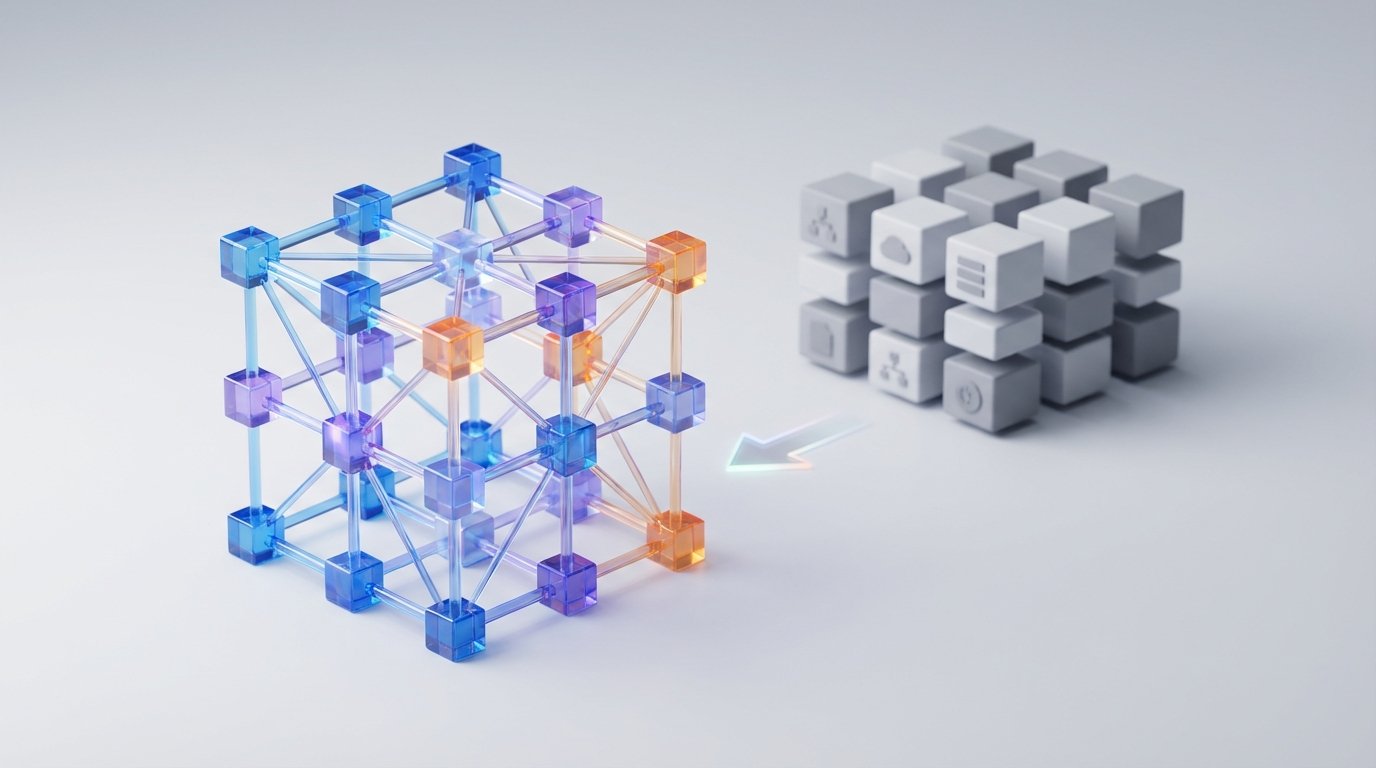
AI-Native development is an approach where artificial intelligence is treated as a fundamental component from the very beginning of the software development life cycle (SDLC), rather than an added feature. In this process, AI doesn't just complete code; it designs architecture, debugs, writes test scenarios, and even manages deployment processes.
Compared to traditional methods, AI-Native processes offer the following advantages:
- Speed and Efficiency: Repetitive code blocks and standard functions are created in seconds.
- Error Reduction: AI algorithms detect logical errors and security vulnerabilities that might escape the human eye during the development stage.
- Comprehensive Analysis: Models trained on large datasets integrate best practices into your project.
The Rise of Autonomous Software Engineers: Devin and Beyond
One of the most exciting developments in the AI world is undoubtedly the emergence of autonomous software engineers like Devin. Devin is not just an assistant that carries out given commands, but an agent capable of planning and implementing complex engineering tasks end-to-end.
The capabilities of Devin and similar systems carry important clues for the future of software engineering:
- Self-learning and the ability to adapt to new technologies.
- Performing complex API integrations by reading documentation.
- The capacity to deploy a web application or mobile app from start to finish.
While these developments bring the question "Is the work of developers ending?" to mind, what is actually happening is a role change. Human intelligence is shifting from operational burden to strategic and creative areas.
The New Role of Developers: Transformation from Coder to Architect
The developer of the future will not be someone who memorizes syntax, but a "system architect" or "orchestra conductor" who analyzes problems and manages AI tools. While the problem of "how" the code will be written is solved by AI, developers will focus on "what" will be written and "why" it will be written.
Prompt Engineering: The Syntax of the New Era
In this new ecosystem, one of the most critical competencies emerges as prompt engineering. Obtaining the most accurate and efficient output from artificial intelligence models depends on the ability to formulate the problem correctly. A good prompt engineer:
- Ensures the AI model understands the context.
- Breaks complex problems into sub-parts that the model can process.
- Audits the quality and security of the generated code.
Therefore, the senior developers of the future will be individuals who combine algorithmic thinking skills with natural language processing capabilities.
Cloud-Based Development and Infrastructure Revolution
For AI-Native processes to reach their full potential, a powerful infrastructure is required. This is where cloud-based development environments (Cloud IDEs) come into play. The processing power of local machines is becoming insufficient to run and train massive AI models.
Cloud-based development environments facilitate the integration of AI services while allowing teams to collaborate in real-time. Writing, testing, and compiling code in the cloud allows AI assistants to access the entire context of the project (repo, database schemas, logs) and provide more accurate suggestions.
Sustainable Software and Code Quality
The involvement of artificial intelligence in coding processes also strengthens the concept of sustainable software. Sustainability means not only environmental impact but also the maintenance, scalability, and longevity of the code.
AI tools minimize technical debt by preventing the formation of spaghetti code and suggesting architectures consistent with SOLID principles. Additionally, by suggesting algorithms with optimized resource usage (consuming less CPU/RAM), they indirectly contribute to reducing the energy consumption of data centers.
Conclusion: Adapting to Change
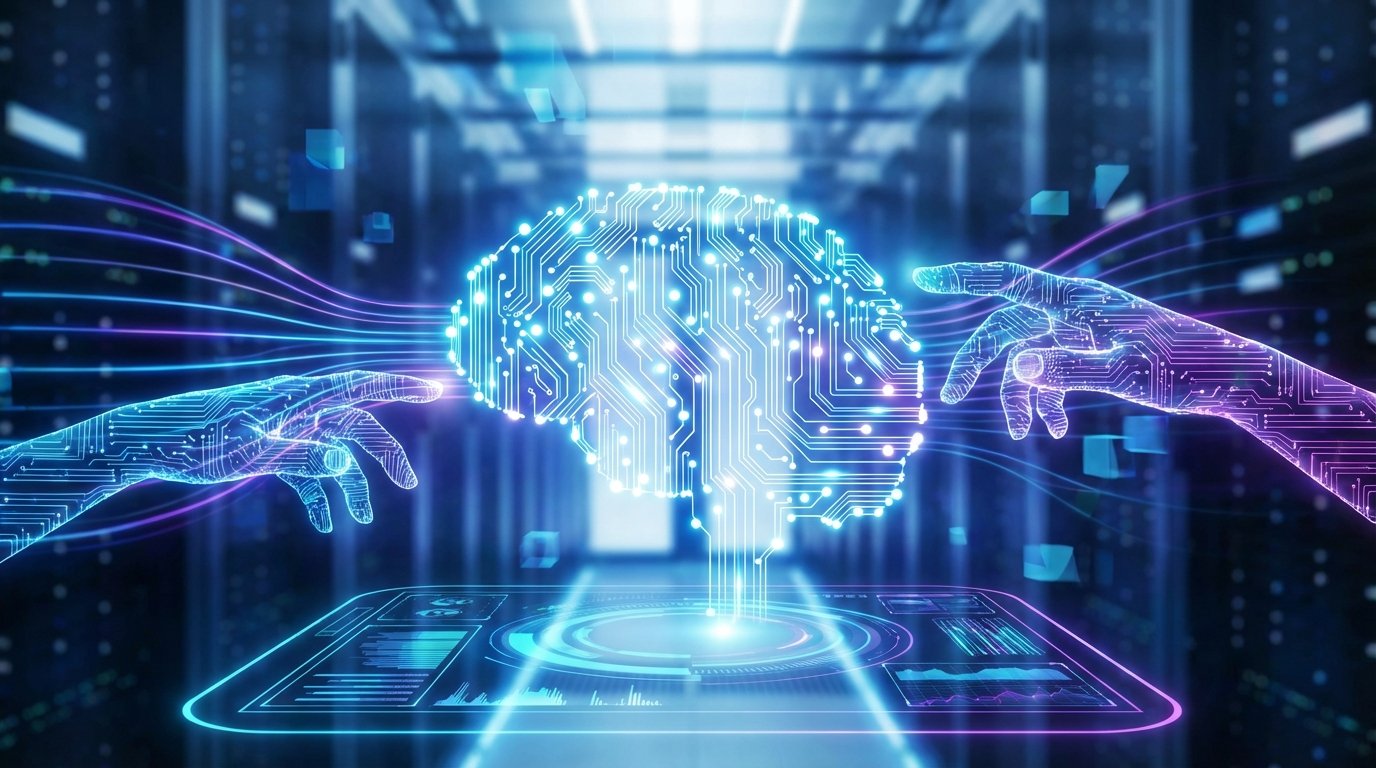
The future of coding lies in the symbiotic relationship between human and machine intelligence. AI-Native development processes are democratizing the software world, lowering technical barriers and bringing creativity to the forefront.
For developers, this period is not a scary end, but a new beginning where they can multiply their talents. Tools like Devin should be seen not as a threat, but as teammates that provide super powers. The future will belong not to those who write algorithms the fastest, but to visionaries who guide artificial intelligence best, think strategically, and embrace sustainable software principles.